Style inspiration
Show the idea behind the photograph
A few well-chosen images can explain a preference more clearly than a long list of haircut names.
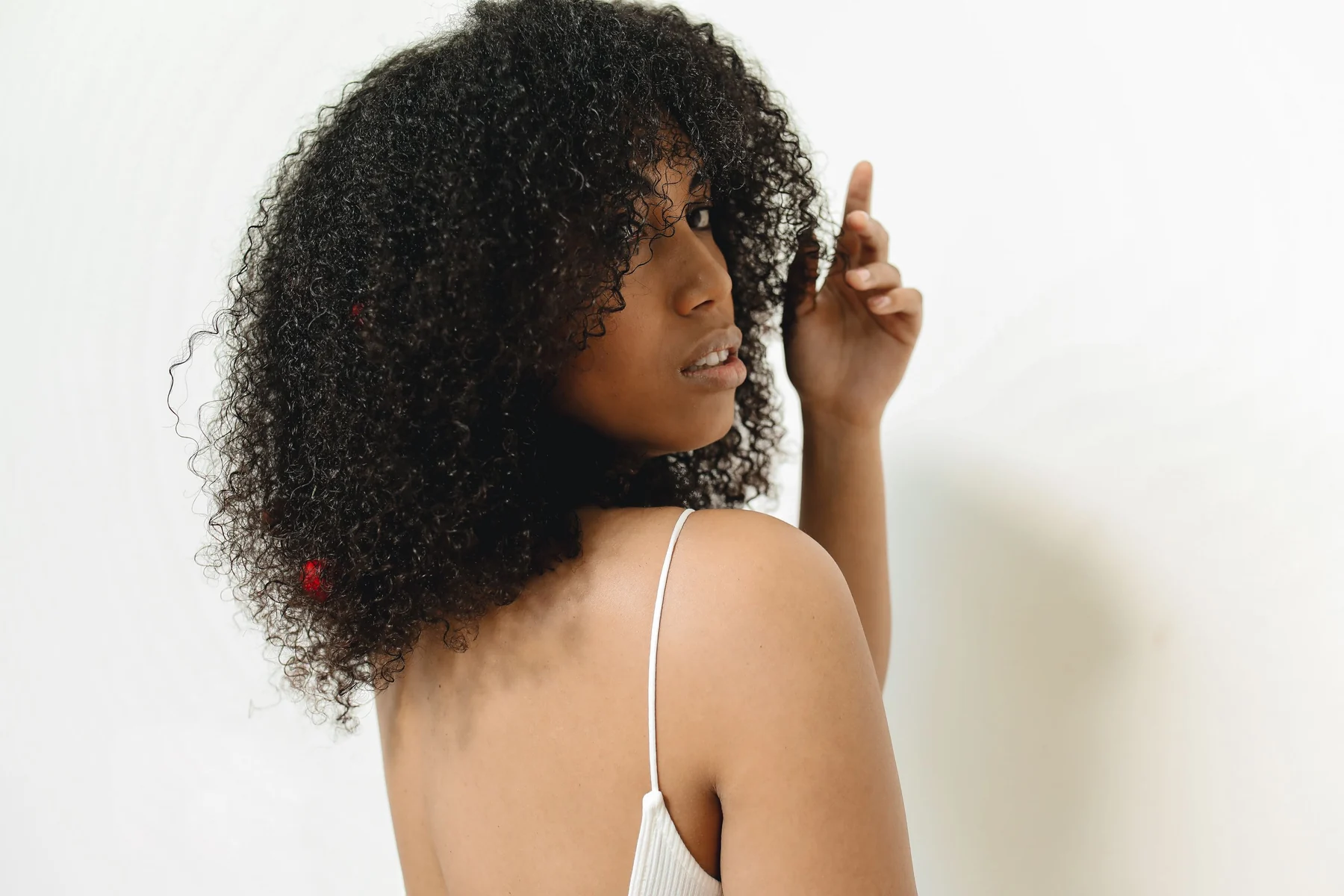
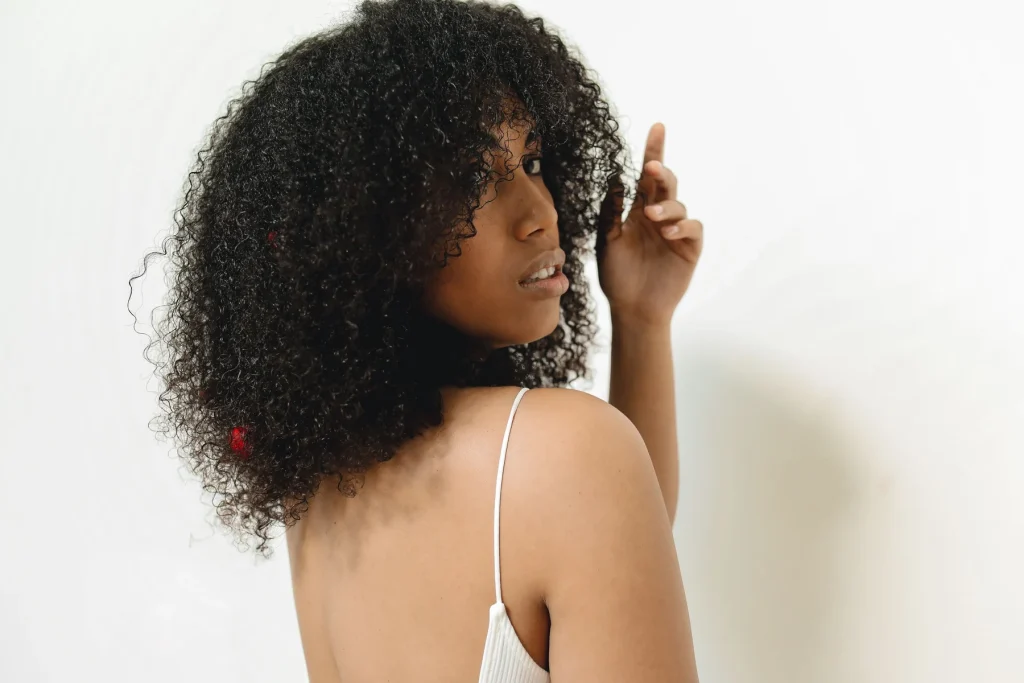
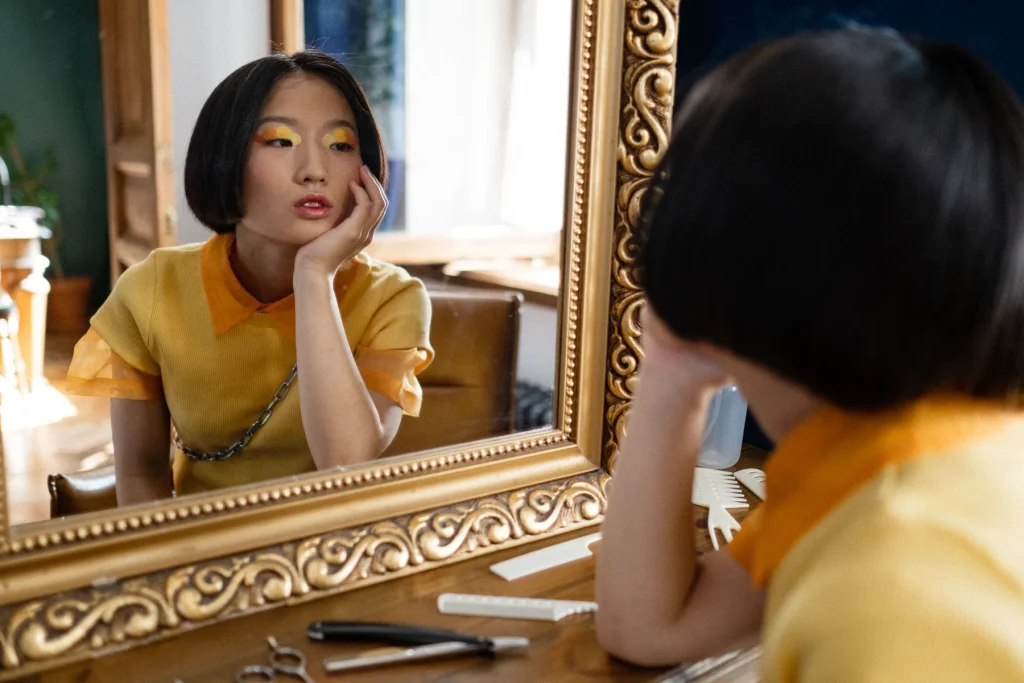
A reference photograph is most useful when you can explain what caught your attention. It may be the shape around the face, the length of a fringe, the outline from the side or the way the hair is finished. Naming that detail gives your stylist a clearer starting point than asking for the whole image without discussion.
Pick a small, coherent set
Choose a few images that point in a similar direction. If the pictures show very different lengths or finishes, explain which part of each one you mean. You can like the front of one style and the overall shape of another, but the combination still needs a conversation. Let the provider help you understand how those ideas relate to one another and to your hair.
Include a photograph of your own hair if it helps show a previous shape you liked. Say when it was taken and whether the finish reflected an ordinary day or a professionally styled occasion. A familiar reference can make it easier to discuss what you want to keep, restore or change without relying on an unfamiliar technical name.
Look beyond the most striking feature
Consider the back and sides as well as the front. A photograph may hide part of the cut, use a particular pose or show an elaborate finish. Ask the stylist what they can and cannot infer from it. The aim is to make the missing information visible, not to decide the technical method yourself from a single angle.
Redken's colour-consultation guidance encourages bringing pictures to communicate a goal. Treat an image as the beginning of that discussion. Lighting, presentation and the person pictured are part of the photograph; the provider must assess how the idea relates to your own hair. Do not treat a striking image as a guarantee that an identical appearance can be created for everyone.
Explain what you would avoid
A negative example can be helpful when it identifies a particular feature. You might want to avoid a certain length at the front or a finish that needs more daily work than you want to do. Describe the detail respectfully and clearly. The stylist should not have to infer your preference from a reaction to the person or their overall appearance.
Keep the discussion about your own comfort and choices. A style that does not fit your routine may work well for someone else. You do not need a universal judgment about which haircuts suit which people. You need a useful account of the look, feel and practical arrangement you want to discuss for yourself.
Connect the image to an ordinary morning
Tell the stylist how you normally wear and style your hair. Ask what the proposed interpretation would involve between appointments. If you are unwilling to spend time on a particular routine, make that clear before deciding. Great Clips' consultation questions connect the cut with lifestyle, which is a useful reminder to keep the picture beside your actual habits.
Save the agreed direction and any important notes in a form you can find later. A reference folder does not need to become a large collection of competing ideas. The best set is the one that helps you and the provider describe the same intention, while leaving room for professional assessment and your own final choice.
Primary sources
Continue with the style journal for more questions about inspiration, colour and everyday routines.